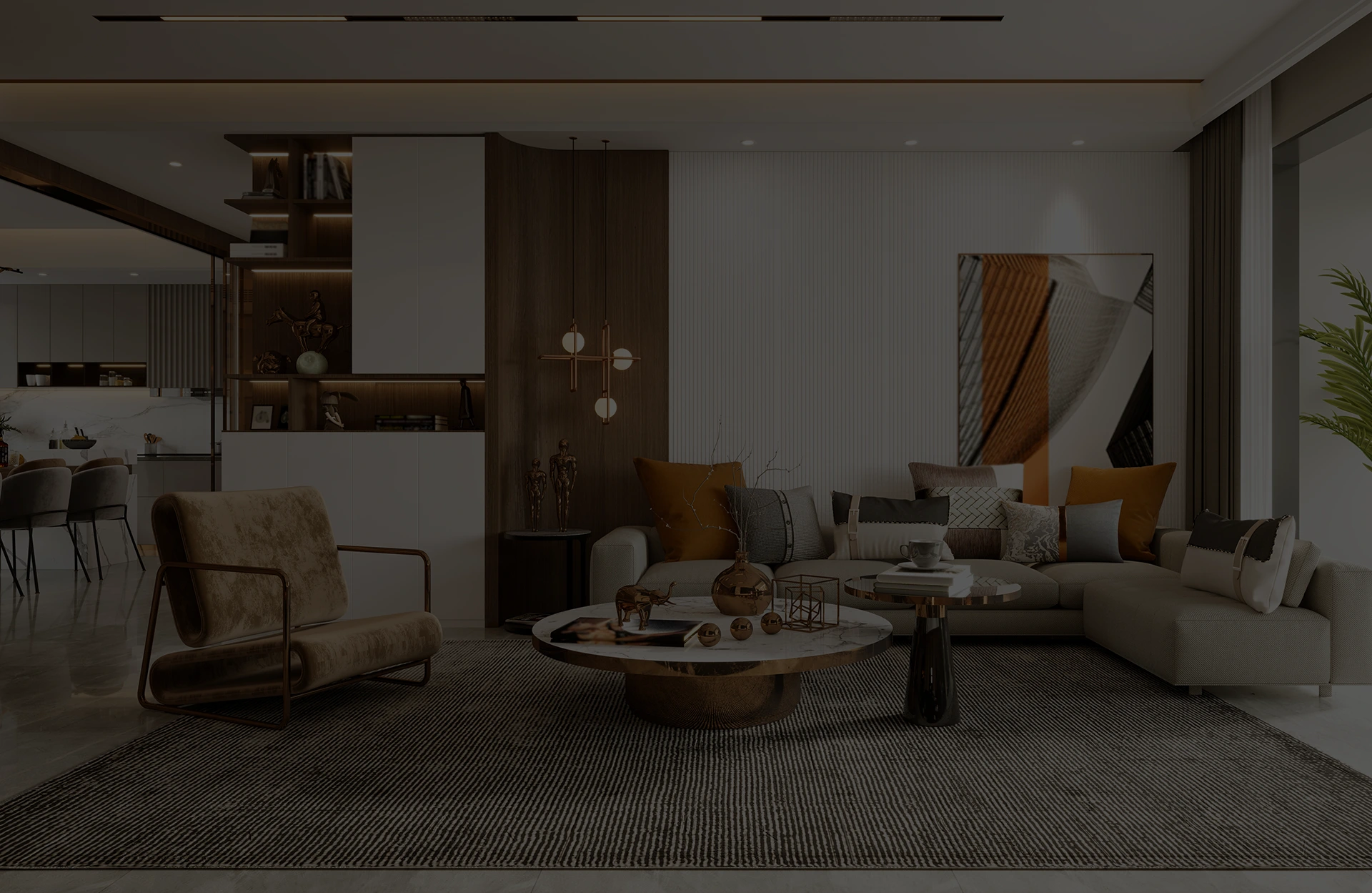
Evolving home interiors: balancing timeless design and function
Interior design transcends decoration; it creates a livable ecosystem where aesthetics meet practicality. Every element, from material choices like flooring to strategic lighting design, contributes to a cohesive narrative enhancing daily life and reflecting personal identity.
Navigating the landscape of contemporary interior design styles
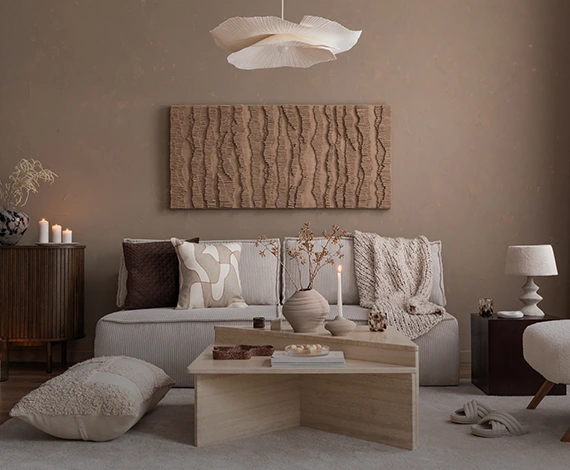
The Japandi aesthetic
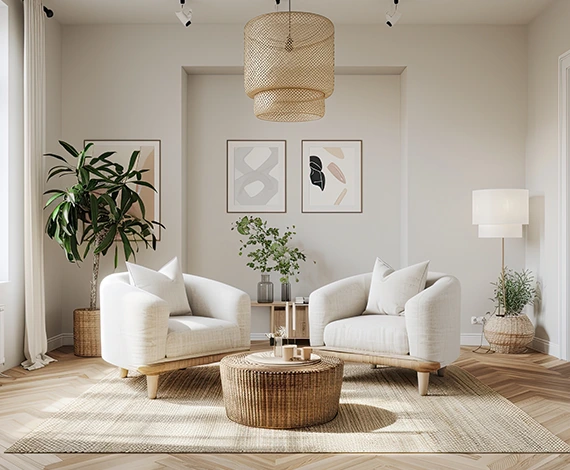
Fusing Japanese rusticity with Scandinavian functionality creates spaces of serene, uncluttered warmth, often featuring natural wood and minimalist furniture.
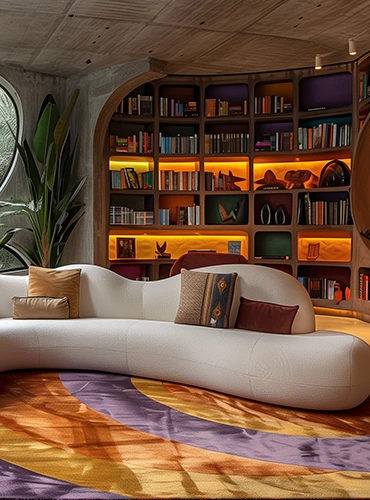
Bold maximalist expression
A curated clash of patterns, vibrant colors, and rich textures celebrates individuality.
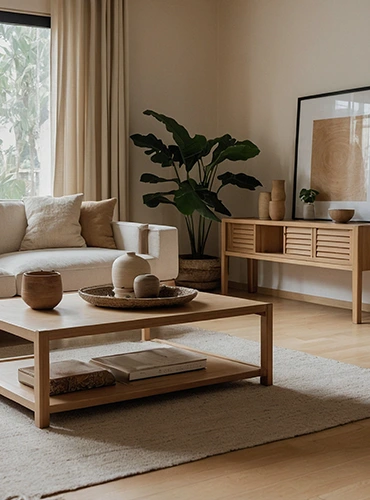
Sustainable eco-modernism
Upcycled and recycled materials alongside energy efficiency define this biophilic design approach.
Harnessing the power of trending color palettes & psychology
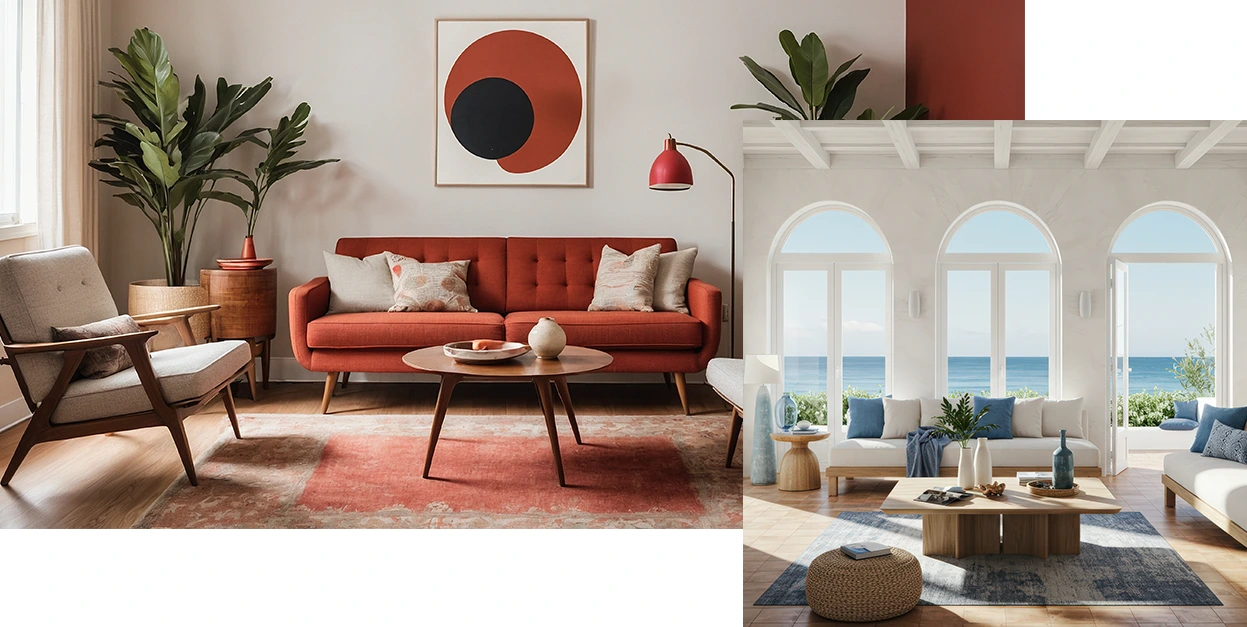
Optimizing spatial layouts for flow and functionality
Effective spatial planning ensures seamless flow. In open-plan living, area rugs and lighting define distinct zones without physical barriers. Proper furniture clearance prevents congestion, maintaining an airy, welcoming atmosphere regardless of square footage.
Smart, multi-functional furniture is essential for urban dwellings. Coffee tables with integrated storage or extendable dining consoles maximize utility without sacrificing style.
Elevating spaces through curated wall art & decor
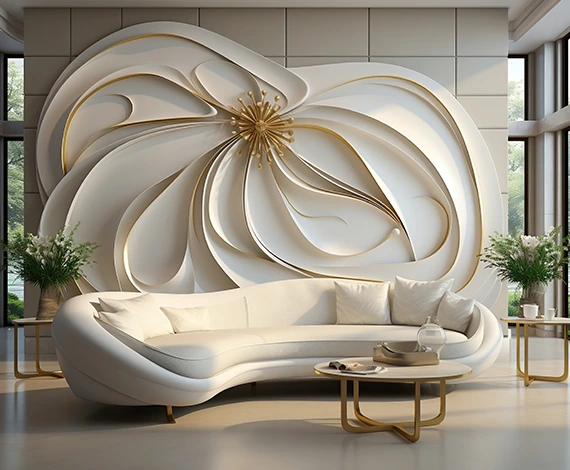
Vertical surfaces are a canvas for self-expression. A well-curated gallery wall mixes framed photography with abstract art for visual rhythm. Architectural elements like wainscoting or 3D textured wallpaper add character, turning flat walls into dynamic focal points.
Strategically placed mirrors amplify natural light and create an illusion of space. Oversized floor-leaning mirrors can serve as dramatic focal points in small entryways.
Revitalizing decor with budget-friendly DIY projects
Furniture restoration techniques
Sanding vintage wooden chairs and applying a protective matte varnish reveals the natural grain’s beauty.
Custom textile creation
Sewing custom slipcovers or hand-dyeing natural fabrics introduces unique color palettes unavailable in mass-produced retail collections.
Sculpting atmosphere with smart lighting solutions
Layered lighting design is the unseen architect of an interior. A plan mixes ambient illumination with focused task lighting and dramatic accent lights to highlight artwork. Smart systems allow users to adjust Kelvin color temperature for any mood.

Architectural LED strips
Hidden cove lighting creates a soft, diffused glow, visually enhancing spatial perception and raising ceiling height.

Statement pendant fixtures
Large-scale chandeliers serve as sculptural focal points, anchoring dining areas or spacious foyers.

Portable task lamps
Adjustable floor lamps provide focused, directed light where needed for reading or detailed work.